
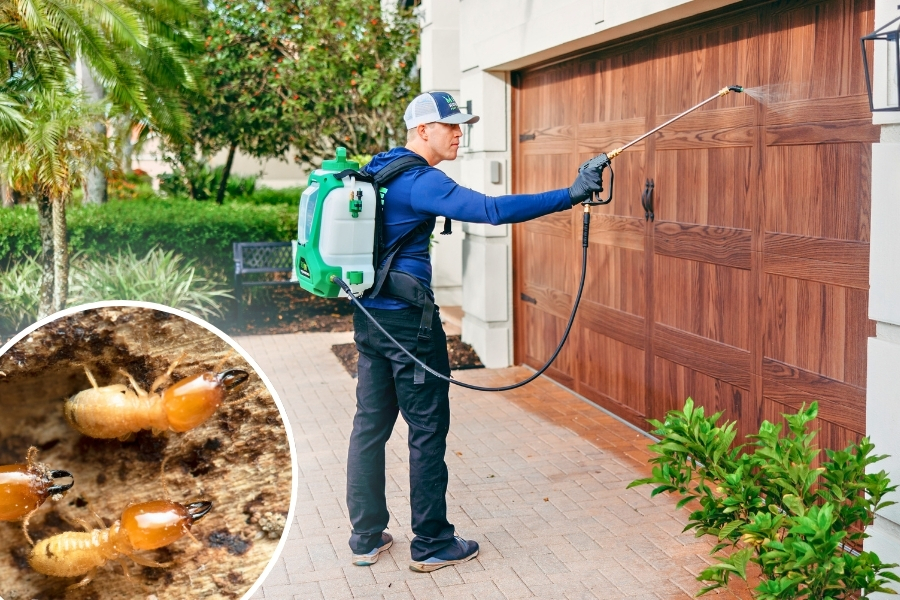
The Hidden Threat: Everything Homeowners Need to Know About Termite Prevention
Termites are tiny insects with a colossal appetite. When left unchecked, these “silent destroyers” can relentlessly eat away at the very structure of your home. In the U.S. alone, termites cause billions of dollars in property damage annually, damage that is rarely covered by standard homeowner’s insurance.
At Mike Nugent Pest Control, we know that the best defense is always proactive prevention. This guide covers the essential steps you must take to safeguard your most valuable investment from a termite invasion.
What Are Termites?
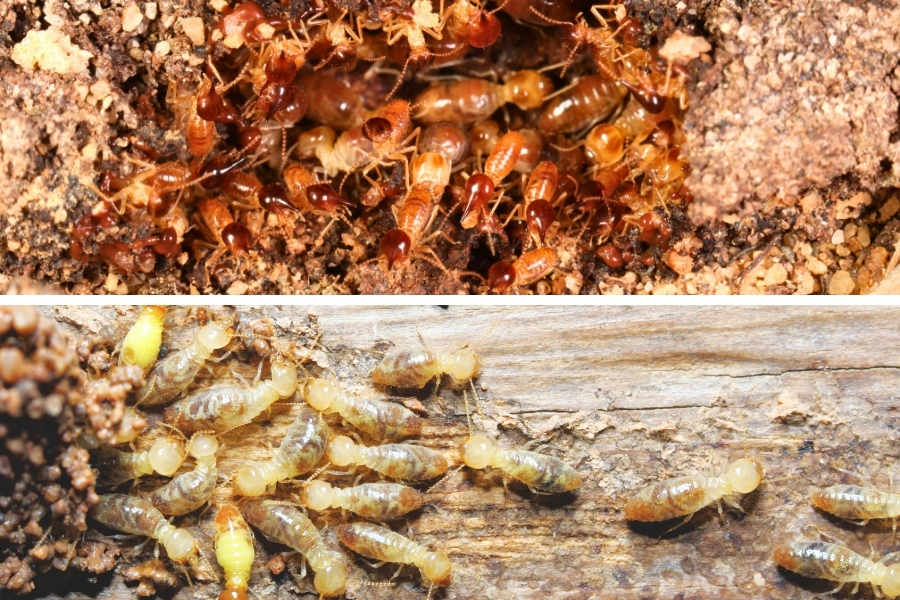
Termites are small, social insects that feed on cellulose, the organic material found in wood and many building materials.
The two most common species homeowners encounter are subterranean termites and drywood termites, each with distinct habits, warning signs, and risks.
Subterranean Termites
These are the most widespread in the U.S. and the most destructive, especially in Florida’s warm, humid climate. They live underground and build mud tubes to access your home. Because they require moisture, they tend to attack structural wood that is close to soil contact or areas with hidden leaks. Their colonies can grow extremely large, causing extensive damage quickly.
Drywood Termites
Drywood termites don’t need soil or moisture to survive. Instead, they live entirely inside the wood they consume. They often enter through exposed wood or attics and may go unnoticed for long periods. Their pellet-like droppings called frass are often the first visible sign of activity.
While termites play an important role in nature by breaking down dead trees, they become destructive when they move into human structures. What attracts them to our homes in the first place?
Why Might Termites Infest Your Home?
Your home becomes appealing to termites when it offers the basic elements they need to survive including food sources, favorable environments, access points and shelter.
Wood as a Food Source
Any structure containing wood framing, flooring, trim, furniture, or even paper-based materials can be a food supply for termites. They are especially drawn to older wood, untreated wood, or areas softened by moisture.
Moisture and Humidity
Moist environments are ideal for most termite species, particularly subterranean termites. Leaking pipes, poor drainage, clogged gutters, or damp basements create conditions that allow colonies to thrive and expand.
Easy Access Points
Cracks in the foundation, gaps around utility lines, or direct wood-to-soil contact provide termites with an open invitation. Subterranean termites will exploit even the smallest opening to reach structural wood.
Shelter and Protection
Termites avoid light and open air, preferring hidden areas where they can feed undisturbed. Inside walls, crawl spaces, attics, and beneath flooring make perfect, concealed environments for colony activity.
Are Termites Already There? Key Warning Signs
Because termites work out of sight, they can cause significant damage before you see any evidence. Knowing the signs is essential for early detection:
- Mud tubes. Look for pencil-sized dirt tunnels along your foundation walls. Subterranean termites use these tubes for travel and moisture retention.
- Discarded wings. You may find small piles of translucent, shed wings near windowsills, doors, or light sources. These belong to swarmers (reproductive termites) that emerge to start new colonies.
- Hollow wood. Tap on wooden beams or trim. If it sounds hollow or papery, it indicates internal damage.
- Frass. Termite droppings, called frass, look like tiny piles of sawdust or coffee grounds near infested wood.
- Damaged surfaces. Look for buckled paint, tiny pinholes, or wood that appears blistered or warped, which can be mistaken for water damage.
Remember: Early detection is key to minimizing damage and saving thousands of dollars in repairs.
What Makes a Termite Infestation So Serious Compared to Other Pests?
Most household pests are a nuisance but termites are in a class of their own. Unlike ants, roaches, or rodents, termites are capable of causing critical structural damage, often without leaving obvious signs until the damage is extensive.
Here’s what makes termites especially dangerous:
Constant, Hidden Feeding
Termites eat 24/7, and because they work behind walls, under floors, and inside beams, their destruction is usually invisible. By the time you see outward signs—buckling paint, hollow wood, or swarmers—the colony may have been active for months or even years.
Massive Colony Sizes
A single subterranean termite colony can contain hundreds of thousands of insects. Multiple colonies can attack a home at once, dramatically accelerating damage.
Structural Damage. Not Just Surface Damage
Unlike pests that chew on insulation or contaminate food, termites target the load-bearing components of your home. They weaken beams, joists, flooring, and framing, putting the home’s safety and stability at risk.
Repairs Are Extremely Costly and Rarely Insured
Termite damage often mimics water damage and can require major repairs such as replacing support beams, flooring, or drywall. Since most homeowners’ insurance policies exclude termite damage, homeowners often pay out-of-pocket for fixes.
They Don’t Go Away on Their Own
Termite colonies continually expand as long as food is available. Without professional intervention, the infestation grows, spreads, and causes escalating damage over time.
Preventive Measures You Can Take Now
Termites thrive on wood and moisture. By controlling these two elements around your home, you can significantly reduce your risk of infestation.
While professional help is key, there are several preventative steps homeowners can take:
- Reduce moisture. Fix leaking faucets, pipes, and AC units. Termites thrive in moist environments.
- Store wood away from the home. Keep firewood, lumber, and paper at least 20 feet from the house and 5 inches off the ground.
- Seal entry points. Close gaps around utility lines, vents, and foundation cracks.
- Limit soil-to-wood contact. Avoid direct contact between soil and wood in decks, porches, and other wooden structures.
- Maintain landscaping. Keep mulch at a minimum.
Why Professional Termite Control is Essential
While diligent home maintenance helps, truly eliminating and preventing a termite colony requires expert knowledge and specialized treatment. DIY solutions cannot compete with the depth and effectiveness of professional methods.
At Mike Nugent Pest Control, we provide comprehensive termite control that goes beyond basic treatment:
Expert Inspections
We conduct detailed inspections to accurately identify the species, locate the colony, and assess the extent of the activity.
Advanced Treatment Systems
We utilize industry-leading techniques, including advanced baiting systems and liquid barriers, to eliminate existing colonies and create long-lasting protection.
Lasting Peace of Mind
Our goal is to protect your property long-term, giving you confidence about the safety and structural integrity of your home.
Frequently Asked Questions About Termites
1. What are termites?
Termites are tiny insects with a colossal appetite that feed on wood and other cellulose-based materials, causing billions of dollars in structural damage annually. They live in colonies with a caste system, including workers, soldiers, and reproductives (alates or swarmers). When left unchecked, these “silent destroyers” can relentlessly eat away at the very structure of your home.
2. What is the difference between subterranean termites and drywood termites, and which one is more common?
The primary difference is their habitat:
- Subterranean Termites (most common in the U.S. and often found in Florida) live in the soil and build mud tubes to travel to the wood in your home. They require contact with soil/moisture.
- Drywood Termites live entirely within the wood they infest and do not need contact with the ground. They are detected by small piles of frass (pellet-like droppings). The treatment approach differs for each type, which is why a professional inspection to identify the species is crucial.
3. What are the earliest signs of termites?
Early warning signs include discarded wings near windows or doors, mud tubes along foundations and crawl spaces, hollow-sounding wood when tapped, and piles of sawdust-like droppings called frass.
4. What do termite droppings (frass) look like?
Frass looks like tiny piles of sawdust or coffee grounds. They’re often found beneath infested wood or near cracks. Drywood termites are the species most associated with visible frass.
5. What steps can I take to reduce my risk of a termite infestation?
Fix leaks, improve ventilation, keep gutters clean, store firewood away from the home, and reduce wood-to-soil contact around your property. Moisture control is one of the biggest defenses against termites.
6. How often should I get a professional termite inspection?
We recommend that all homeowners schedule a professional termite inspection at least once a year. Given how stealthy and destructive termites are, an annual inspection by a licensed technician is the best way to catch early signs of activity that a homeowner might miss, enabling quick, targeted intervention before costly damage occurs.
Don’t wait until the damage is done; take the proactive step today and contact Mike Nugent Pest Control.
You May Like
Stop Spring Pests Before They Start: Your Home Protection Plan
Spring is a season of fresh air and renewal, but it’s also when insects and rodents wake up and start looking for a new place to call home. As temperatures rise, these uninvited guests emerge in search of food, water, and shelter, and they could easily choose your house. Don’t

The High Cost of Infestation: Hidden Dangers of Pests in Your Home or Business
When most people think about pest problems, they picture something happening at home: ants in the kitchen, termites in the walls, or rodents in the attic. While these issues can cause significant stress and costly repairs for homeowners, the impact of pests on commercial properties is often even greater. For
The Top 5 Intruders: Which Pests Are Targeting Your Home?
No matter how pristine your home is, pests are masters at finding a way in. These uninvited guests bring more than just annoyance; they pose health risks to your family and pets, and can cause significant, often hidden damage to your most valuable asset: your home! Each of the top